

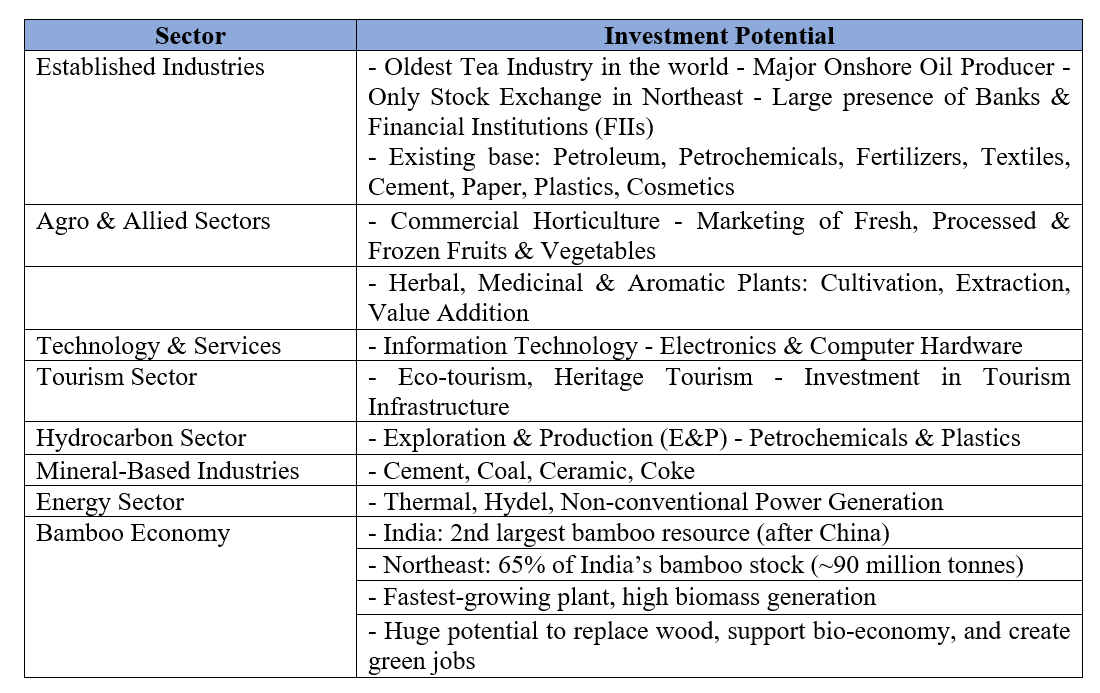
In this blog, we will discuss how Assam’s pioneering bamboo-based bioethanol refinery is transforming India’s green energy landscape. We’ll explore how this innovative project uses local bamboo resources to produce clean fuel, support rural livelihoods, and advance sustainability goals—offering a blueprint for inclusive, eco-friendly development.
India’s First Bamboo-based Bioethanol Refinery
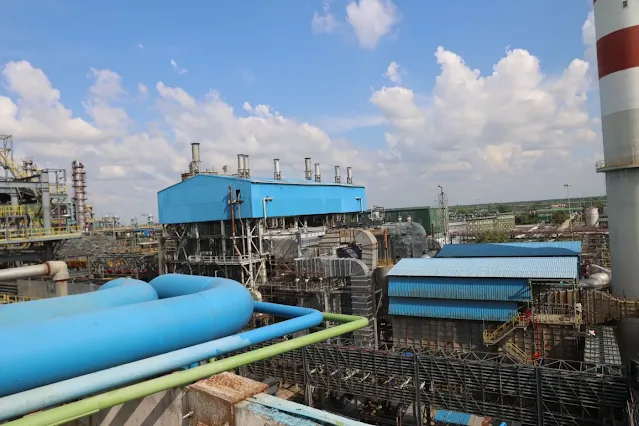
India’s commitment to green energy has taken a significant leap with the establishment of the country’s first bamboo-based bioethanol refinery in Golaghat district of Assam. Developed under the aegis of Numaligarh Refinery Limited (NRL), this pioneering initiative aims to produce fuel-grade ethanol using bamboo biomass, marking a milestone in India’s renewable energy and industrial policy.
A Green Innovation in Energy
The biorefinery employs second-generation (2G) ethanol technology, which processes non-food biomass—in this case, surplus bamboo. This not only avoids the food-versus-fuel conflict associated with first-generation biofuels but also uses abundant local resources effectively. With an annual requirement of around 5 lakh metric tonnes of green bamboo (3 lakh dry tonnes), the refinery will generate 49,000 metric tonnes of ethanol per year, significantly contributing to India’s target of 20% ethanol blending in petrol by 2025.
The project is developed with a substantial ₹4,000 crore investment in collaboration with a Finnish technology partner. It aims to reduce India’s crude oil dependence, foster rural employment, and advance the country’s environmental commitments under international climate frameworks.
Bamboo: From Neglected Resource to Economic Backbone
The closure of paper mills in Assam had left bamboo farmers without a dependable market. This project revives bamboo’s economic relevance by creating a sustainable supply chain. The model includes decentralized aggregation centres, where harvested bamboo is chipped and transported to the refinery.
Beyond procurement, this initiative supports bamboo plantation, farmer training, and credit linkages through government partnerships. The focus on tissue-cultured bamboo saplings enhances productivity and long-term sustainability.
Economic and Social Multiplier Effects
The refinery is more than a technological innovation—it’s a rural development engine. It integrates farmers, harvesters, micro-entrepreneurs, and logistics providers into a value-added bioeconomy. Employment generation, steady income for farmers, and local entrepreneurship are expected to uplift entire communities in Assam and surrounding northeastern states.
In addition to ethanol, the plant will produce valuable by-products:
- Furfural – a chemical used in adhesives with export potential to Europe.
- Acetic Acid
- Food-grade carbon dioxide
These by-products diversify revenue, improve financial viability, and reduce risk, offsetting the high capital and operational costs associated with 2G biofuel production.
Policy and Global Outlook
A government-appointed committee is currently working to define a pricing formula for 2G ethanol, based on feedstocks like bamboo, maize, and rice straw. Export opportunities are also under consideration, especially for ethanol and furfural, allowing India to tap into premium international markets.
This project exemplifies the Make in India and Atmanirbhar Bharat (self-reliant India) vision. By connecting local biomass with global markets and clean technologies, it integrates traditional knowledge with modern sustainability goals.
Challenges and the Road Ahead
Despite its promise, the initiative must overcome several hurdles:
- Stabilisation of refinery operations
- Market acceptance of bamboo-based ethanol
- Coordination among farmers, transporters, and technology partners
If these challenges are addressed effectively, the project can serve as a replicable model for other bamboo-rich northeastern states, such as Mizoram and Meghalaya.
Conclusion
The Bamboo-based bioethanol refinery in Golaghat represents a transformative step toward clean energy, inclusive development, and rural revitalisation. It underscores how local resources, when harnessed with visionary policy and advanced technology, can address global energy and climate goals. As India moves toward a green energy future, this bamboo-based model offers a blueprint for sustainable industrialisation rooted in community welfare and ecological balance.
In a world increasingly focused on renewable transitions, this story from Assam could become a global case study in how decentralised, people-centric green innovation can fuel not only vehicles—but also hope and prosperity.
Read: Sustainable Development Goals Index in Northeast India
Download App: